
Robert Francis Flor, PhD, Connected Seattle Neighborhoods to Jobs, Then Found a Second Calling on the Stage
A longtime King County Metro planner who helped shape the Jobs Access Transportation Program now writes plays and poetry that give Filipino American voices a place in the spotlight.
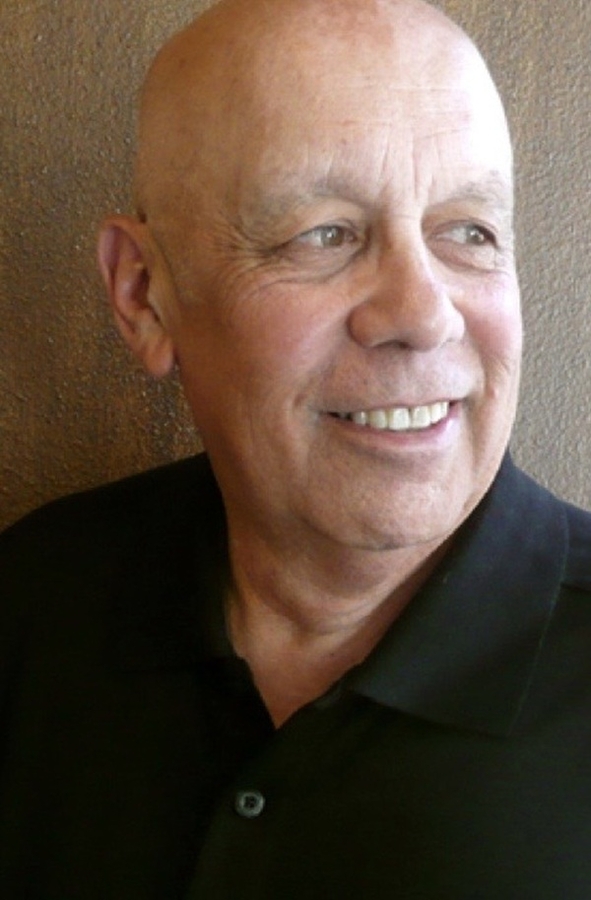
SEATTLE, Wash. For Robert Francis Flor, a bus route was never just a line on a map. During more than a quarter century as a transportation planner in King County, he looked at transit through the eyes of the people who depended on it most, and he kept asking whether it actually got them where they needed to go.
Dr. Flor joined King County Metro Transit in 1971 and stayed until 1997, working as a senior transportation planner and writer. Over those years he noticed a pattern that many planners missed. Residents of Seattle's inner city neighborhoods, and single parents in particular, were cut off from the suburban job centers where much of the region's work was moving. Getting to a job, and getting a child to daycare on the same morning, could be close to impossible without a car.
Around 1997, as welfare reform was changing the rules for millions of American families, he put a plan on paper. It became the Jobs Access Transportation Program, a set of services designed to link city neighborhoods with suburban employers. The idea caught the eye of state officials, and Dr. Flor helped put together a conference held jointly with the Federal Transit Administration that brought representatives from several states together to talk about how such programs could be paid for. In the end he won money from federal, state and local sources to put the plan into action.
His public service started before Metro. He worked as a legislative assistant for the Seattle City Council and taught in schools around the city, experiences that gave him an early view of how policy decisions reach ordinary households.
His education followed the same path. He earned his bachelor's and master's degrees at Seattle University and later a Doctor of Philosophy in higher education administration and public policy from the University of Oregon. He paid for much of his schooling with summers in Alaska canneries and shifts in restaurants, a habit of hard work he credits to his parents, and especially to his father, who studied while holding down several jobs.
His work drew a long list of honors. They include the Silver Spokes Award from the Northwest Bicycle Association in 1995, the Access to Work Award from the American Transit Association in 1998, the Workplace Award from the King County Coalition Against Domestic Violence in 2004, the President's Award from the Community Transportation Association of America in 2008 and a Humanitarian Award from the King County Martin Luther King Group.
Retirement did not slow him down so much as change his direction. Dr. Flor turned to playwriting and poetry, and his work often explores cultural heritage and social justice. He is active in the Seattle Playwrights Circle and the Dramatists Guild, and he is affiliated with Rain City Writers, Theatre Puget Sound and the YMCA Poetry Workshop.
When theaters closed during the pandemic, he wrote radio plays instead and took coursework at Liberty City Radio. A King County 4Culture grant and a residency at the Jack Straw Cultural Center allowed him to record them, and with help from family he found a new home for the broadcasts at Bellevue College Radio.
Growing up in Seattle's mixed neighborhoods, he met only one minority poet in all his years of school. That memory drives much of what he does now. He mentors young Filipino American writers and actors, along with women in the arts, and writes roles that give them a chance to be seen. He also loves to travel and learn about other cultures.
Dynamo Times recognizes Robert Francis Flor for a career that opened roads to opportunity in public life and opened stages to new voices in the arts.
About King County Metro Transit (retired)
Robert Francis Flor, PhD, served as a senior transportation planner and writer for King County Metro Transit from 1971 to 1997, where he developed the Jobs Access Transportation Program. He holds a PhD in higher education administration and public policy from the University of Oregon and bachelor's and master's degrees from Seattle University. He now writes plays and poetry in Seattle.